
Bankruptcy
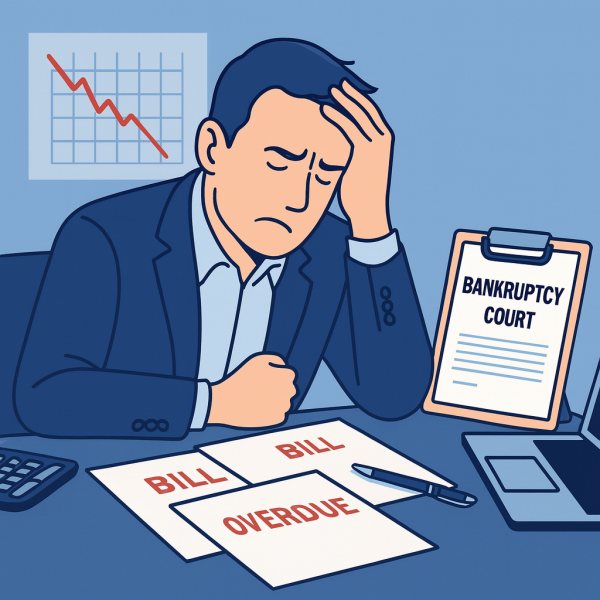
What is Bankruptcy?
The Process
1. Petition – The bankruptcy process begins with either the debtor or creditor filing a bankruptcy petition in court. A creditor would make the application if you owe them £5000.00 or more.
2. Court Hearing – The court reviews the petition that has been made and if approved, a bankruptcy order is made.
3. Official Receiver – The Official Receiver is someone who will handle the early stages of a bankruptcy and will write to you within two weeks of the order explaining what you need to do. They will require information on your assets and finances in order to go through all the relevant documents. This process often involves litigation to recover assets or challenge transactions.
4. Trustee Appointment – A trustee (often an insolvency practitioner) is appointed to manage the bankruptcy estate. They may pursue litigation to maximise asset recovery.
5. Asset Realisation – The trustee sells assets in order to pay creditors. At this stage it is very likely for disputes to arise over asset ownership or valuation.
6. Discharge – After a certain time period, the bankrupt is discharged, releasing them from most debts. However, litigation may continue in relation to specific assets or transactions.
7. Annulment – In rare cases, the bankruptcy order can be annulled, often due to procedural errors or if the debtor can repay debts.
This a brief outline of the bankruptcy process. Following instruction, our solicitors will be able to meet with you and go over all the important aspects of the procedure as well as your options.
How long does it take?
Our Costs
For more information in regards to our costs please click here.